Why Consistent Pool Cleaning Improves Water Quality
June 8, 2026
Swimming pools offer a unique opportunity for recreation, relaxation, and family gatherings, but maintaining proper water quality is crucial for health and enjoyment. Regular maintenance of the water is vital to ensuring its safety. By implementing a consistent pool cleaning routine, you can prevent the buildup of harmful bacteria and debris that adversely affect aesthetics and hygiene. This article explores the different dimensions of pool maintenance, highlighting how it contributes to optimal water quality. Whether for aesthetic appeal or health considerations, reading through these insights will prepare you for the steps ahead.
Understanding Pool Water Chemistry With Precision
Maintaining pH balance in pool water is one of the most critical factors in ensuring quality. A properly balanced pH level — kept within the ideal neutral range — guarantees both the effectiveness of chlorine and the comfort of swimmers. When levels are too high or too low, it can lead to skin irritations and reduce hygiene. Balanced levels also prevent corrosion of pool equipment, extending its lifespan. Routine pool cleaning and maintenance prevent problems before they escalate.
Monitoring Chlorine Levels for Hygiene
Chlorine is a key component in maintaining pool hygiene, acting as a sanitizer that eliminates bacteria and algae. Proper chlorine levels ensure that the water remains clear and safe for use, without the risk of illness. However, excessive amounts can lead to unpleasant odors, while insufficient levels allow harmful bacteria to flourish. Routine testing is essential to achieving the right conditions for safe and pleasant swimming experiences. The right balance reduces the likelihood of closures due to sanitation issues. Adding a pool chlorine rinse to your schedule is highly effective.
Managing Calcium Hardness to Prevent Scaling
Calcium hardness is a measure of the calcium concentration in pool water, and its proper management prevents scaling and corrosion. Low calcium levels can lead to etching of pool components and plaster surfaces, while high levels cause cloudy water and scaling on equipment. Keeping calcium hardness within an ideal range protects your pool and its structural components. Regular testing helps detect potential imbalances in calcium levels, allowing for timely intervention. Effective pool acid wash treatments can mitigate severe scaling issues when they arise.
Preventing Skin and Eye Irritations
Swimming in a clean pool helps prevent skin irritations that can arise from improperly balanced water chemistry. High levels of chlorine or pH imbalances often lead to dry skin, rashes, and red eyes. Maintaining optimal water levels creates a comfortable environment, reducing incidents of swimmer discomfort. Furthermore, using automated water quality monitoring systems can help track and adjust chemicals quickly. Encouraging regular pool cleaning is crucial for ensuring guests enjoy a comfortable swimming experience free from skin and eye issues.
Reducing Risks of Waterborne Illnesses
Immaculate pool water reduces the risk of waterborne illnesses, which can be transmitted in poorly maintained environments. Harmful bacteria can thrive in inadequately sanitized pools, posing serious health risks to swimmers. A consistent pool cleaning regimen with the correct use of sanitizers eradicates these pathogens and ensures a safe swimming experience. Adding routine shock treatments can further eliminate latent threats, securing the health of all pool users. Health-conscious pool management directly translates to fewer illnesses and an environment that promotes safety.
Keeping Water Clear and Inviting
Clear water is a key indicator of a well-maintained pool and significantly enhances its visual appeal. Crystal-clear water looks inviting and is more enjoyable for swimmers, reflecting a commitment to hygiene and care. Consistent cleaning and proper chemical balance are critical to maintaining clarity, preventing cloudiness that can obscure the depth of the pool. Furthermore, clean water enhances natural lighting effects, contributing to an aesthetically pleasing atmosphere. Securing a professional pool filter cleaning ensures clarity, boosting the overall enjoyment for everyone.
Preventing Unwanted Algae Growth
Regular maintenance of pool water plays an essential role in preventing algae growth, which can quickly turn a pool green and uninviting. The presence of algae not only detracts from visual appeal but can also make surfaces slippery and hazardous. By maintaining appropriate chlorine levels and adding algaecide as needed, owners can deter algae and sustain a clean appearance. Proper filtration systems must be regularly checked and serviced to ensure proper operation. Enjoying a clean environment free of algae enhances the charm of any property.
Retaining Original Pool Aesthetics
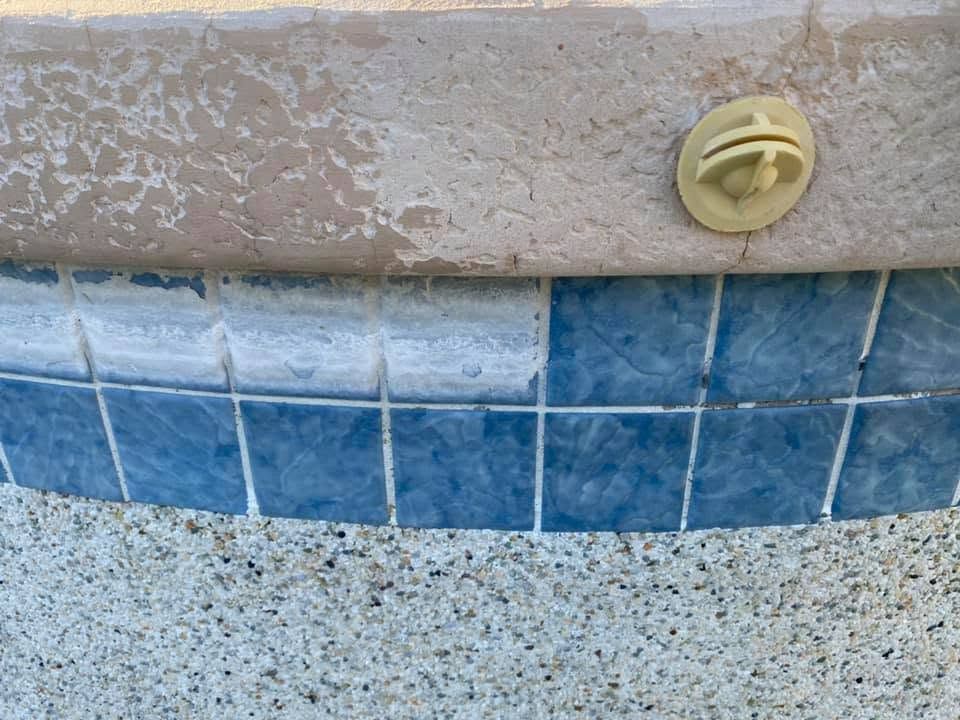
Routine cleaning helps keep pool surfaces spotless, preserving the original appearance and materials of the structure. Leaves, debris, and stains can accumulate on walls and floors, making timely intervention crucial to maintaining their condition. Regularly brushing surfaces prevents stains from setting in, supporting a bright and vibrant appearance. Prompt attention to residue minimizes the risk of hard-to-remove buildup. Quality pool tile cleaning showcases pride in property while creating a welcoming environment for all guests and family members.
Minimizing Unpleasant Chemical Odors
Overuse of chemicals in pool maintenance can lead to unpleasant odors, often deterring swimmers from enjoying the water. A dedicated pool cleaning schedule balances chemical use, minimizing the smells that sometimes accompany high chlorine levels and ensuring a pleasant swim environment. Regular monitoring of chemical levels supports appropriate dosing, enhancing the experience without sacrificing hygiene. Proper ventilation and water circulation further help reduce the presence of odors. Investing in odor control improves the aesthetic aspect of the pool and user comfort.
Reducing Overall Chemical Costs
Diligent upkeep leads to more efficient use of chemicals, reducing overall financial costs. By frequently monitoring water chemistry and addressing imbalances early, owners can minimize the corrective chemicals needed to restore balance. A strict pool cleaning routine prevents the buildup of organic material that can consume sanitizing chemicals, maintaining effectiveness. The judicious use of chemicals results in cost savings and a smaller environmental footprint. Utilizing professional water testing ensures optimal water chemistry while keeping operational expenses in check.
Maximizing Daily Energy Efficiency
Routine maintenance contributes to the energy efficiency of operations, effectively reducing utility bills. By ensuring filters and pumps are running optimally, homeowners can lower the energy required to maintain sanitary and circulating conditions. An efficient pool system uses less electricity, minimizing operational costs and environmental impact. Getting a prompt pool pump repair or routine pool equipment inspection further reduces consumption. Heightened awareness of energy efficiency through regular maintenance promotes sustainability and long-term financial savings.
Sustaining Residential Property Value
Investment in routine maintenance helps maintain and enhance property value over time. A well-maintained pool is a desirable feature that appeals to potential buyers, positively impacting a home's market value. According to Pool Magazine, overall yearly searches for main pool categories have jumped 22% between 2022 and 2025 - rising from 29.7 million to 36.3 million - which indicates that the desire for professional pool upkeep remains robust long after the pandemic era surge. If you require pool remodel help to modernize your setup, it is a prudent investment with lasting financial benefits.
Reducing Unnecessary Water Waste
Consistent pool cleaning practices contribute to reduced water waste by maintaining cleanliness and balance without frequent water changes. Well-managed systems conserve water by retaining quality levels through efficient filtration and chemical management. Responsible water use strategies minimize evaporation and loss, supporting environmental conservation. By employing modern technology and efficient techniques, owners demonstrate a commitment to sustainability. Prioritizing water conservation ensures you maintain a healthy pool environment while significantly reducing negative impacts on the local surroundings.
Skimming and Brushing Surfaces Daily
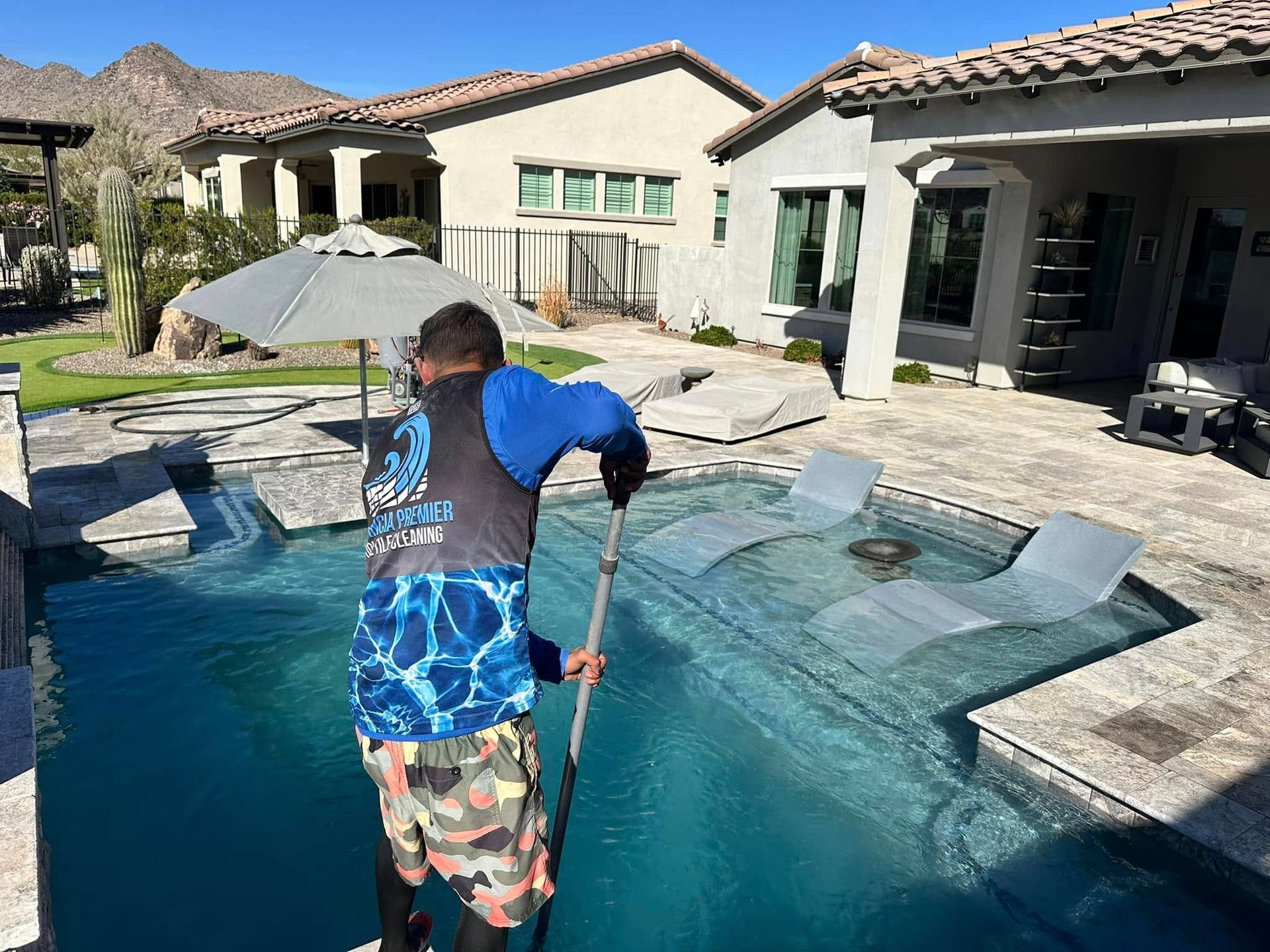
Skimming and brushing are core practices in pool maintenance, ensuring removal of debris and buildup from the surface and walls. Using a skimmer regularly eliminates leaves, dirt, and floating debris before they sink and contribute to contaminants. Regularly brushing pool sides and floors prevents algae growth and stubborn stain formation. A consistent daily effort is fundamental to maintaining a clear pool, simplifying broader maintenance efforts. Proper equipment and technique mastery are essential to achieving optimal results and an inviting swimming environment.
Maintaining water quality offers diverse benefits across safety, aesthetics, cost-effective budgeting, and environmental impact. Through understanding water chemistry and the tangible advantages of regular maintenance, owners are equipped to ensure their pool remains a treasured resource. We know that employing effective tools and leveraging professional services represent strategic investments in both enjoyment and property value. We are dedicated to providing top-tier solutions like those found at our location. As interest in pool care continues to surge, aligning practices with established standards enhances the overall experience. Reach out to us today and schedule your Vistancia Premier Pool Tile Cleaning to keep your backyard oasis pristine all year round.